Pre-Event FOMO: A buzz playbook with an asset for every week
FOMO isn't luck, it's a schedule. An 8-week pre-event buzz playbook where every week has a specific asset and a specific messenger.
You know that event you kept seeing on LinkedIn last quarter? Different people, different posts, week after week, until you found yourself checking ticket prices for something you hadn't planned to attend?
That wasn't luck. Someone scheduled it.
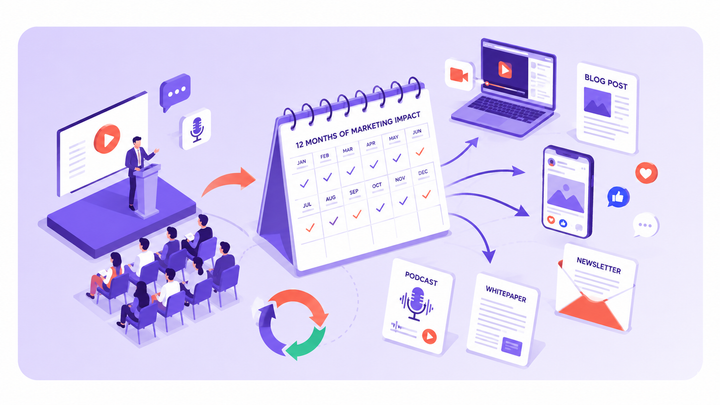
FOMO, the actual registration-driving kind, is an engineered drumbeat: a steady sequence of personal, credible signals that people you respect are going somewhere. And the reliable way to produce it is embarrassingly unglamorous: a calendar, where every week has a designated asset and a designated messenger. Here's the eight-week version.
The principle: rotate the messenger, refresh the asset
Two failure modes kill most pre-event marketing. The organizer posts every day from the brand account (one voice, tunes out fast). Or there's one big announcement and then silence until "last chance!" (two spikes, no drumbeat).
The playbook avoids both by rotating who's talking (speakers, attendees, sponsors, exhibitors, you) and what they're sharing (a new asset each phase). We covered why attendees share at all separately; the short version is that every asset must be about them, not you.
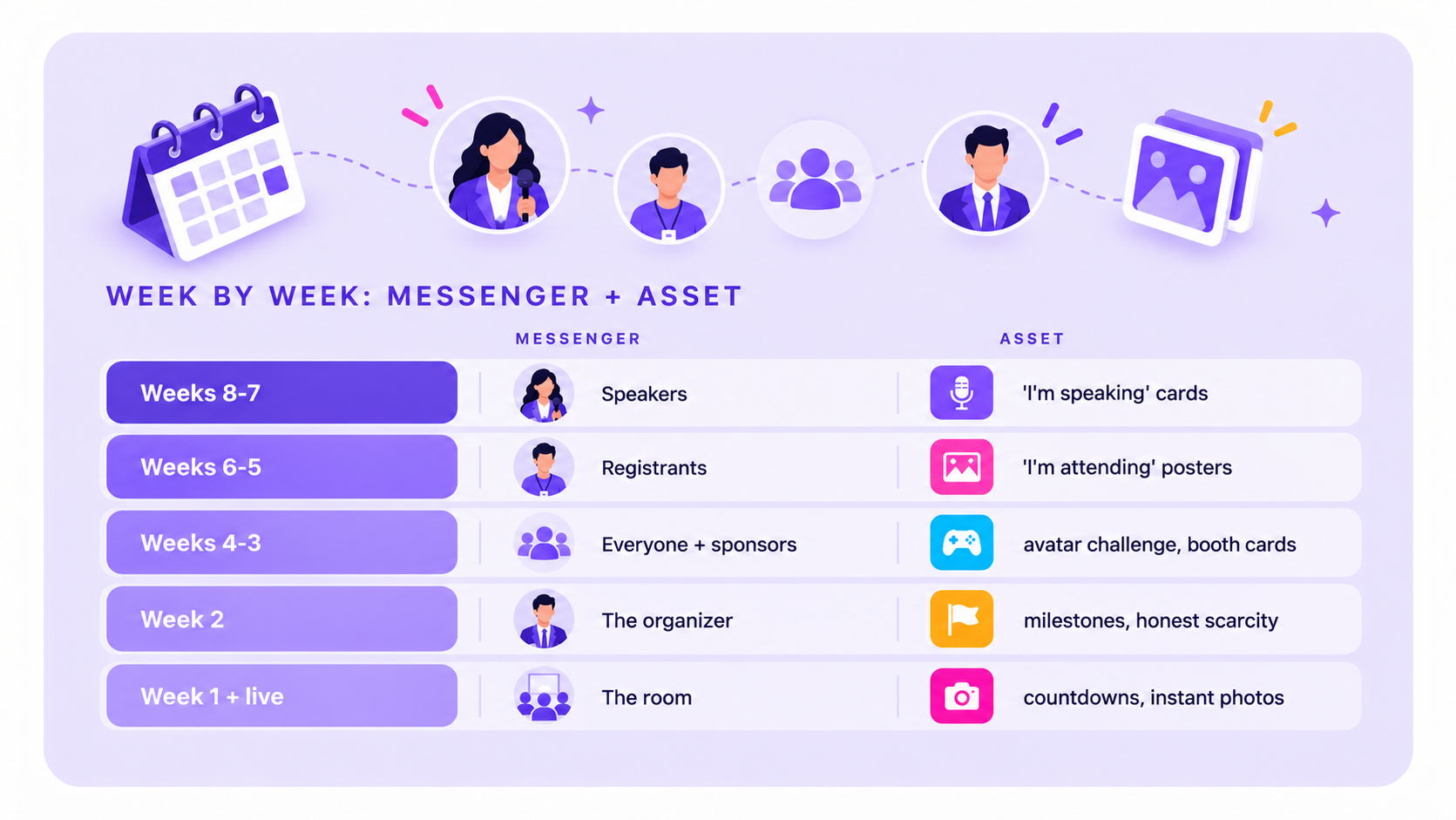
Weeks 8-7: the announcement wave
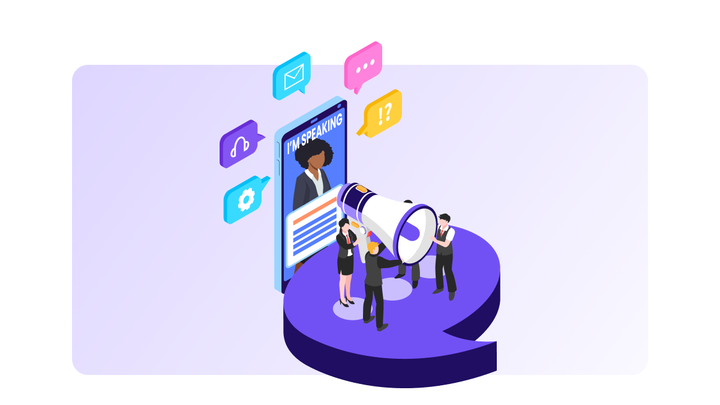
Open with your speaker lineup, but don't announce it yourself. Give each speaker a personalized "I'm speaking" card and a two-line brief the moment they confirm, so the announcement arrives in your audience's feeds from twenty credible voices instead of one brand account.
Your channels play the supporting role: reshare, comment, aggregate ("the full lineup is live"). Getting speakers to promote your conference can amplify session registrations by up to 40%, and this is the window where that compounding starts.
Weeks 6-5: the "I'm attending" wave
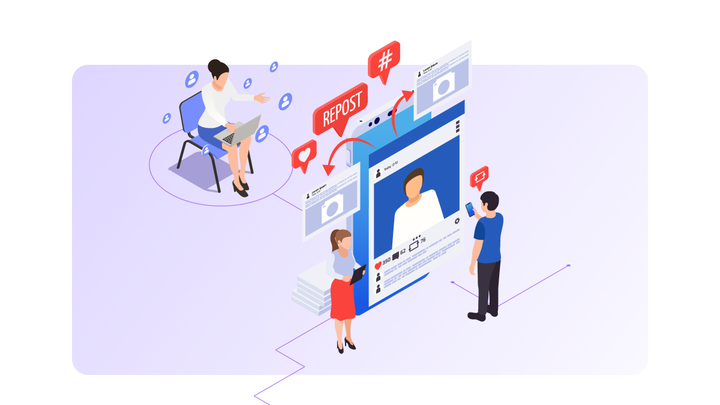
Registration is open, so every registrant becomes a potential broadcaster. The mechanics: the moment someone registers, they get a personalized "I'm attending" poster with their name and photo, a pre-filled caption, and their unique referral link, shareable in one tap from the confirmation screen.
This wave is the workhorse of the whole playbook because it scales with registrations: every signup the campaign drives creates another advocate who drives more signups. Peer shares convert to registrations at roughly 1 in 3, which is what makes the flywheel spin. Platforms like Premagic automate the poster generation and referral tracking; the manual version of this wave is possible up to about a hundred registrants and brutal after that.
Weeks 4-3: the pattern interrupt
Six weeks in, feeds have seen the posters. Time for a new toy: a branded AI avatar challenge works because it's playful, visual, and personal in a way corporate feeds rarely are. At AI Everything MEA Egypt, a two-week avatar challenge generated 5,000+ avatars and 1,800+ LinkedIn posts, driving 2,000+ registrations through the referral links inside the posts.
This is also the sponsor and exhibitor window: "we're exhibiting, find us at booth 214" assets with their own referral links. Their audiences are fresh territory your earlier waves never touched.
Week 2: social proof and scarcity, honestly
Now the event has real momentum, so show it. Registration milestones ("2,000 of you are coming"), attendee-mix stats ("marketing leads from 40 countries"), speaker-session pairings for late deciders.
Scarcity works only if it's true. "Three workshop seats left" moves people when it's a fact and destroys trust when it's a tactic. If nothing is genuinely scarce, skip scarcity and double down on proof.
And re-arm your existing advocates with a fresh countdown asset. The person who posted their poster five weeks ago won't repost it, but they will post a "one week to go" card. Novelty restarts sharing.
Week 1 and event week: hand the mic to the room
Final week: logistics content from you, anticipation content from everyone else ("what I'm hoping to learn," speaker session teasers, attendee meetup threads).
Then, the moment doors open, pre-event FOMO becomes live FOMO: photos delivered to attendees within minutes so the "I'm here and it's great" posts land while people can still buy a ticket for tomorrow. For multi-day events this is a real registration window, and it's the one most teams leave dark.
The takeaway
Buzz is a byproduct of infrastructure: assets generated automatically, messengers rotated deliberately, every share carrying a referral link so you know which week actually sold tickets. Build the calendar once and it becomes a template you rerun, better, every edition.
The events everyone talks about are simply the ones that decided, eight weeks out, exactly who would be talking and what they'd be holding.
Want the assets, referral links, and campaign waves run from one platform? Check out Premagic →